Cetus Maritime And Nachipa Merge Into New 65-Ship Giant
The news comes just over a year after Cetus Maritime was created via the merger of Asia Maritime Pacific and HBC.
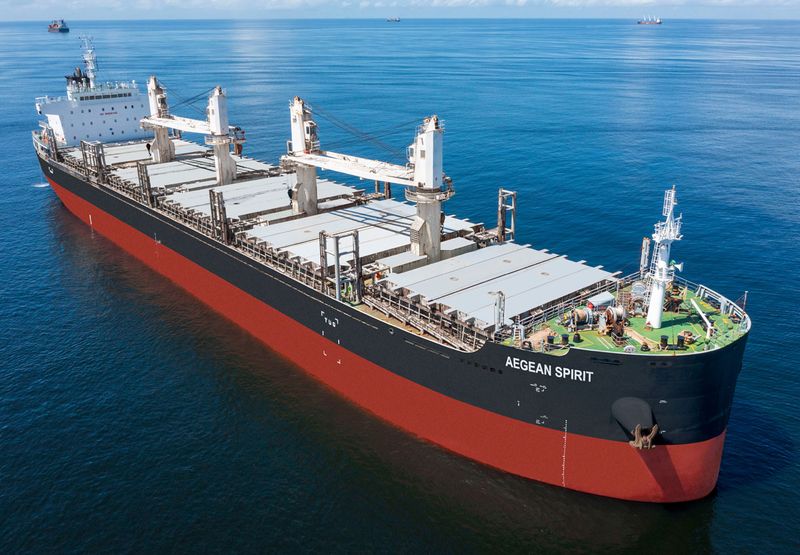
The combined enterprise will be known as Cetus Maritime and will focus on larger, modern, eco-designed handysize vessels.
Over the past 18 months, Cetus Maritime has executed a fleet renewal strategy, by selling smaller, older vessels and purchasing larger, eco-designed handysize vessels.
As the shipowner claims, with the addition of Nachipa’s Japanese built, modern handysize vessels, Cetus’s fleet is now comprised of ‘75% eco-vessels’.
The company’s focus is on larger versatile handysize vessels from 32,000 dwt up to 43,500 dwt.
The management team, when the integration is completed by the end of next month, will look to additional growth opportunities, including acquisitions and consolidations.
In a release on Friday 23, Cetus Maritime said it would continue to grow its fleet towards larger, uniform, attractive eco-designed vessels.
Mark Young, chief executive of Cetus Maritime, said: “The fit with Nachipa was obvious to both sides from the start. For Nachipa, fleet scale is key to realising their business strategy. For Cetus, the Nachipa team is an impressive addition to our operational business, while the Nachipa vessels are accretive to our growing eco-fleet. As we have seen in the market over the past six months, consolidation is a key element to sustainable, successful growth.”
Felipe Simian, the managing director of Nachipa, who will join the Cetus Maritime management team, highlighted the fact that his company’s understanding of the Americas markets and the Hamburg office are “invaluable additions to the Cetus Maritime business platform”.
by Shipping Telegraph